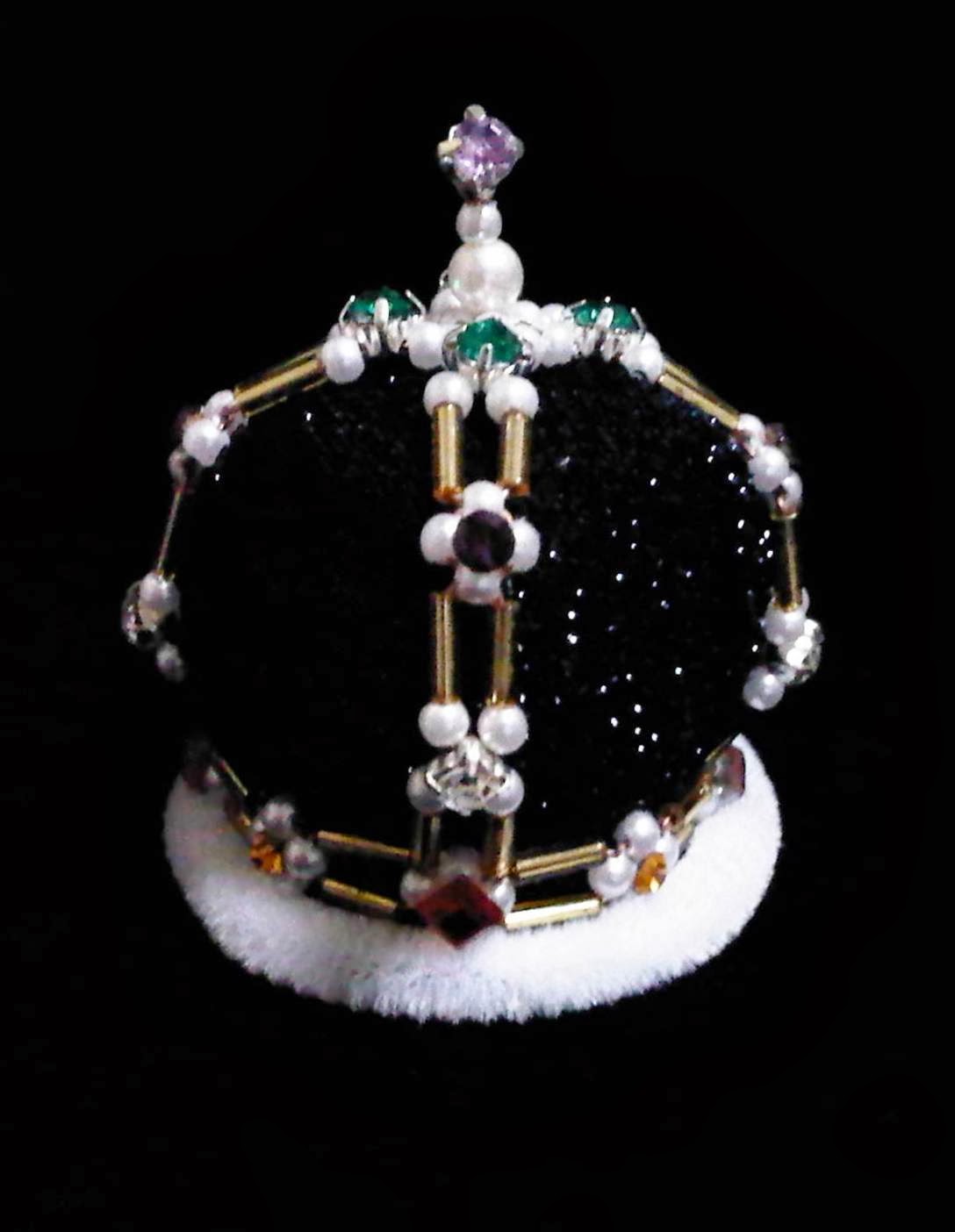
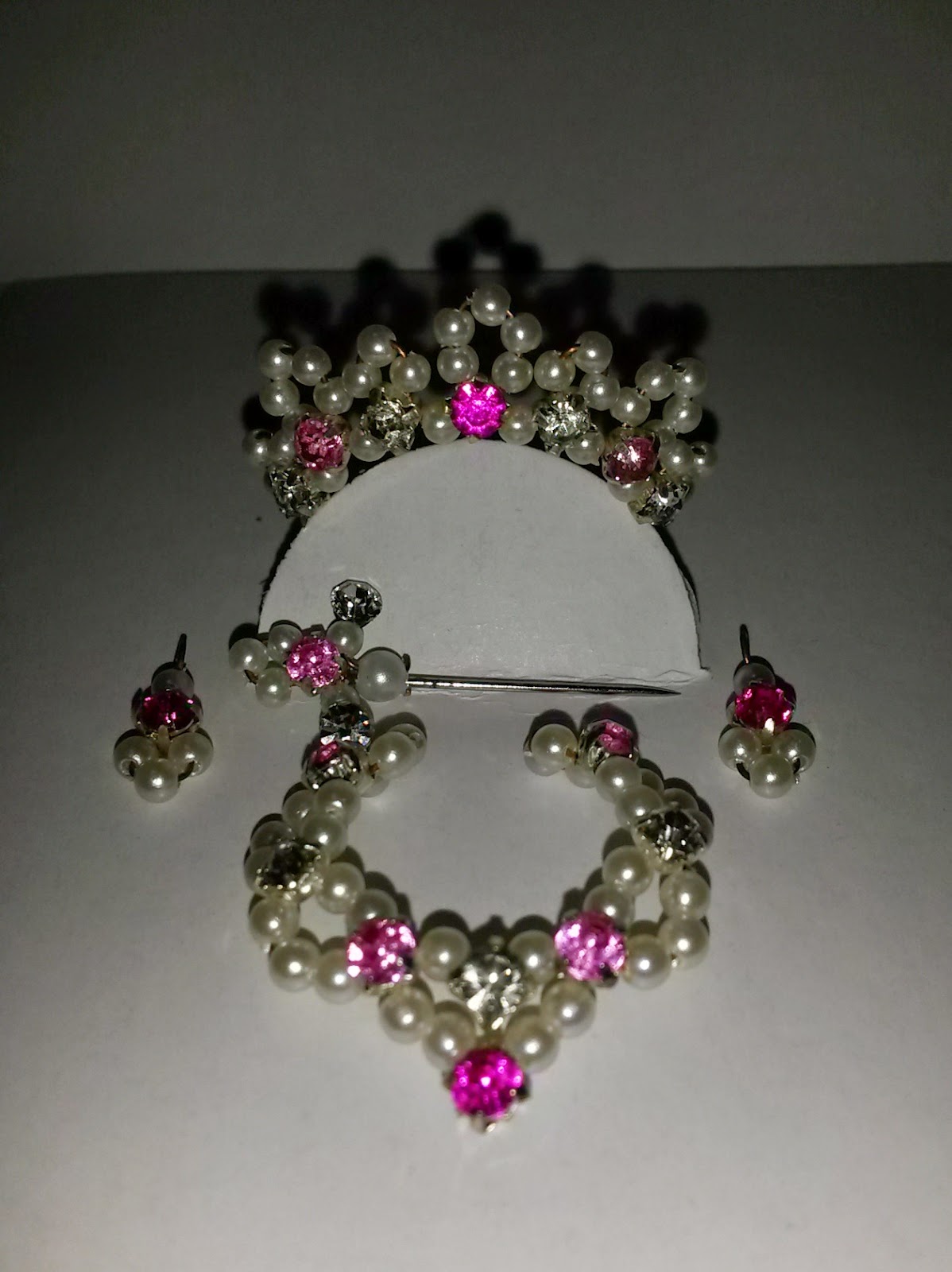
In the last two years we saw many historic treasures thought lost to history, return. Many of these items recovered are crowns from actual crown jewels collections. Let's take a look at a complete list of existing crowns to date.
Crowns in our list will only include those associated/worn by a monarch and his/her spouse and the crown/coronet worn by the heir if any exists. No consort tiaras will be listed here as we are aiming at making an exhaustive list of only the crowns still in existence in Europa
The Crown of St. Christian is the Sovereign Crown of Scotney but also served as the Crown of Britania from 1488 till 1546 when King Daniel ruled both Kingdoms in personal union. The Crown was thought looted and destroyed during the 1996 Revolution but was rediscovered in pieces early in 2015 and fully restored.
The Nuptial Crown of Scotney which was used also as the Consort Crown of Scotney by its Queens. Made in 1759 for the wedding of Queen Charlotte it was also thought lost during the revolution but was actually hidden in the safety of the Reichenthal secret vault where it was discovered amidst many other treasures in 2014.
The Imperial State Crown of the United Empire of Scot-Britania was made in 1993 for the Coronation of Emperor Christian of the United Empire of Scot-Britania. It survived the 1996 Revolution and today is the centerpiece of the Imperial Crown Jewel Collection.
The small Imperial State Crown or Consort Crown of the United Empire of Scot Britania was also made in 1993 for the Coronation of Empress Crystobel, Co-Regent of the United Empire.
The Crown Prince Imperial Crown of the United Empire of Scot-Britania is the altered Crown of the Crown Prince of Britania and served as the new Empire's Crown for the heir of the throne from 1993.
The Sovereign Crown of the Dukes of Swann has existed as the official Crown of the Realm since the inception of the Independent Principality of Swann.
It is the oldest platinum jewellery piece in the world
The Consort Crown of Swann is a recent addition to the Crown Jewels of Swann made just after the Great War for the wedding of the Duke of Swann to Countess Suzanna of Pinhaar. As such it has since become the official "crown" worn by the Duchess Consorts where before they wore tiaras of their choice.
The Royal Crown of the Kingdom of Hispania is a new crown made to replace the medieval one destroyed during the 1996 Revolution. It does however contain gems and gold components taken from a far older crown that had fallen into disuse. That deteriorated crown used to create this new one, was originally used to crown a relic in the Royal Cathedral of St. Bartholomeas.
The Crown of Cataljone is the original 15th Century Crown of the then independent Principality of Cataljone. When the Principlality was annexed/conquered as part of greater Hispania in 1589 it became the crown of the heir to the Hispanian throne as the title of Prince of Cataljone was then also perpetually bestowed on the heir as well. The Crown was thought lost in the 1996 Revolution but survived with many other treasures safely hidden in the Reichenthal vault.
The Imperial State Crown of Ruskiana made in 1789 by Court Jeweller Bolinovich exist today thanks to the efforts of the Duke of Swann's great grandfather who smuggled it and the Consort's Crown out of Ruskiana before the outbreak of the Great War. They were safely hidden in a trunk in Hanoveria where they were discovered in 2013. The Crown is made from gold, silver, rubies and exceptionally large diamonds
The Empress Crown of Ruskiana was saved along with its larger male counterpart. Both crowns were made in the same style and materials although this one is far smaller in size.
The King and Queen's Crowns of Syldavia. The larger King's Crown is a medieval one known as the Crown of Ottokar I while the Queen's Crown is a new addition added by King Nikolas III at his private expense.
The Royal Crown of Hanoveria is a testament to the down-toned and relaxed monarchy. The Crown is rarely exhibited for State occasions and never worn. It was made in 1830 when the prestige of having Crown Jewels reached a peak in Europa. Although the Hanoverians had no traditional requirement for a Crown as national symbol this one was made and has become the official Crown of the Realm.
The brand new Crowns of Normandia were both made to replenish the ravaged coffers of the Normandian Crown Jewels. The smaller Queen's Crown was made in 2014 especially for Queen Gloria to wear tot the State Opening of Parliament. She had the Crown made at her own expense and has bequeathed it to the Nation as a permanent part of the National Crown Jewels.
The Grand Princely Crowns of Wallachia are of a very early medieval design and manufacture. Manufactured in the 1300's from pure Wallachian gold and set alternatively with pear cut aquamarines and square cut amethysts. There are also Fleur d' Lys topped with Caspian Sea black pearls for the masculine crown and white pearls for the feminine crown. It was made for the legendary Prince Vlad III who needed new regalia after his treacherous brother stole and sold the original Crown Jewels to finance his rebellion.
The Hereditary Prince's Crown was made at the same time as it's two larger counterparts. It is just far smaller and it has been known that a ruling Prince would wear it to less formal occasions although it is technically meant for the heir to the throne.
Romagna's Royal Crown was found along with many other historic treasure in the now famous secret vault of Reichenthal.
It was originally made to replace the old medieval crown that was destroyed in a fire in the Royal palace in 1802.
Franconia has recently had a new replica of the Crown of King Louis XV made to match the original Consort's Crown that was also found in the Reichenthal Vault.
Fulco D'Este, although a modern democracy that has ousted its monarchy, has retained its national symbols of which this Crown is the main feature. The Crown is made of iron and is symbolic more of the people of Fulco D'Este's independence than the former monarchs.
The Perlistan Crown Jewels are very distinctive in their design reflecting the style of the region. The Crowns are made from solid gold and Perlistani indigenous sapphires, emeralds and citrines. The heron feather in the 18th century Crown of the Shah is a centuries old symbol only allowed to be worn by the Shah himself. T
he Empress Crown dates back a mere half a century. The reason being that in Perlistani traditional culture women had no public authority and where kept (culturally not physically) within domestic confines. As such the monarchy and Shah had no role for a consort seen in public. However, the old traditions made way for women to be allowed more public freedoms and thus the wife of the Shah gained a title, Shahbahnou and a crown in her role as consort.
The 1730 small Crown of Duchess Eleanore of Champagne is all that is left of the Crown Jewels of the Duchy of Champagne.
The 17th Century arched Crown of the Kings of Reichenthal rival any other in Europa and is a testament of the world famous Reichenthalian craftsmanship.
This early 14th Century Crown was made for Queen Sarah of Reichenthal and was since then used as the Queen's Crown. It is the oldest Crown in the Reichenthal collection.
The Crown of Danielovich I of Serbieski is a symbol of great historic pride and the oldest Crown in Europa. It was made in 1250 for Danielovich I and is considered a holy relic by the fiercely territorial people of Serbieski. It has served as the Crown of the first Krulls (tribal chiefs), Kings and now Grand Dukes of Serbieski. It was also thought destroyed at a stage but was recovered from the Reichenthal Vault where it was safely hidden.
Monagask has no crown per sé but a 2000 year old gold wreath was discovered by archeologists and is assumed to have belonged to rulers of the first settlers in the region.
The Islands of Arcwhite do not employ symbolic Crown Jewels per sé but they do have this Medieval Headpiece that is one of the oldest diadems in all of Europa and is worn during event of high formality in Arcwhite.
Ophiri monarchs are considered crowned by the sun itself and so also share a dignity with all men
The Crown of Britania made in 1680 as a statement of independence by the Britanian "rebel" King John and used into the 20th Century is documented as destroyed by the 1996 Revolutionary government who sough to eradicate all things linked to the previous monarchy.
We hope this list has served to inform and inspire as we build up excitement towards the July 3rd Imperial Coronation.